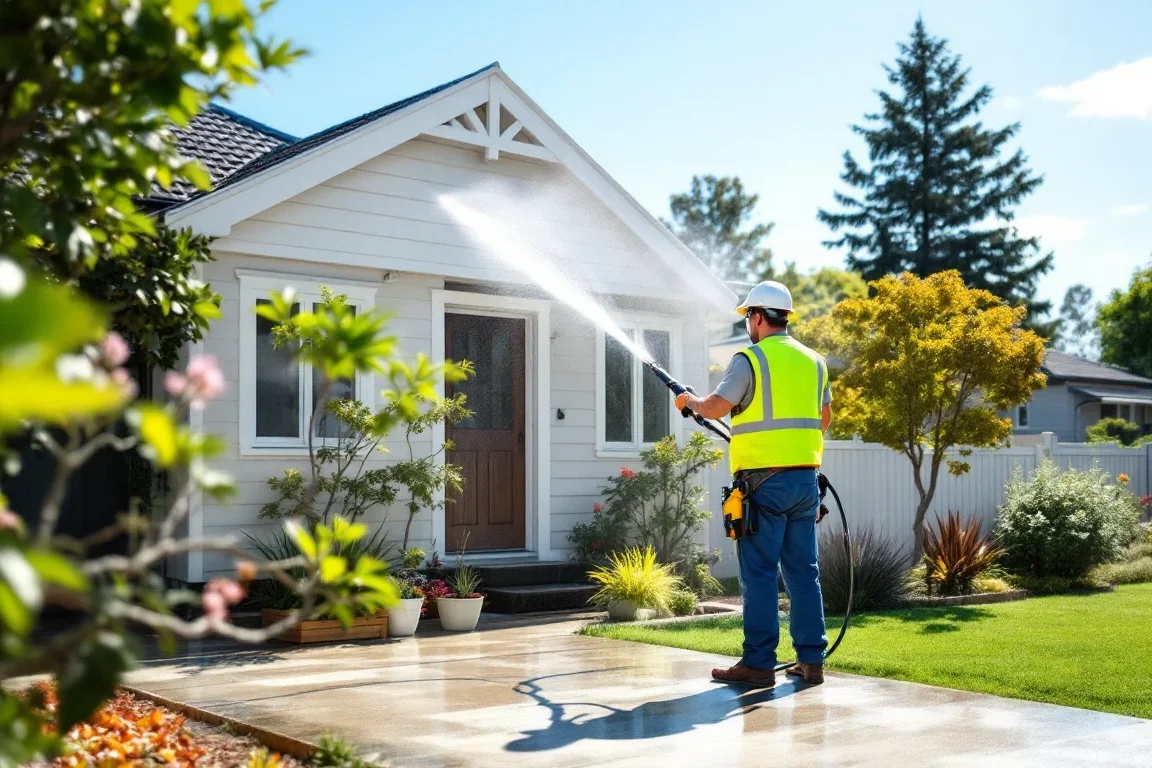
Why Regular Waterblasting Protects Your Hibiscus Coast Home
Living on the Hibiscus Coast means your home endures a steady mix of salt-laden winds, heavy rain, and intense sun. These elements slowly work their way into every painted surface, timber deck, concrete path, and roofing material. Over time, a thin layer of grime builds up, often unnoticed, quietly preparing the way for more serious damage. Waterblasting is one of the most effective ways to stop that damage before it takes hold.
Many property owners think of waterblasting as a quick cosmetic fix before repainting or selling. While a freshly cleaned driveway or sparkling weatherboard can certainly lift the look of a home, the real value runs deeper. Done correctly and at the right intervals, waterblasting acts as a protective measure that extends the life of your exterior surfaces and helps you avoid costly repairs down the track.
This isn’t just about appearances. The salt, spores, and organic matter that settle on your property create a breeding ground for problems that can chip away at your investment year after year. A professional waterblasting service uses the right combination of pressure, water volume, and sometimes gentle cleaning agents to remove these threats without damaging the substrate underneath. Getting it wrong can etch concrete, gouge timber, or force water into wall cavities, but getting it right can preserve your home for years to come.
What Waterblasting Actually Does
At its simplest, waterblasting uses a high-pressure stream of water to dislodge dirt, moss, lichen, flaking paint, and salt residue from exterior surfaces. The pressure is measured in PSI, and the right setting depends entirely on what you are cleaning. A concrete driveway can handle far more pressure than a painted weatherboard wall or a long-run steel roof. Trained operators know how to adjust the nozzle, distance, and spray pattern to get a thorough clean without causing harm.
The immediate result is obvious: surfaces look brighter, colours reappear, and the whole property feels fresher. But the longer-term benefit is subtler. By stripping away the film of contaminants that holds moisture against the surface, waterblasting interrupts the cycle of damp that leads to paint failure, timber rot, and rust. It also removes the tiny footholds that moss and lichen need to establish themselves, meaning future growth is slowed down significantly.
Waterblasting also serves as the perfect preparation step before any painting or sealing work. Paint applied to a dirty or chalky surface will never bond properly, leading to peeling within a season or two. Roof coatings, deck stains, and fence treatments all perform far better when the substrate has been thoroughly cleaned first. Many professional painters on the Hibiscus Coast insist on waterblasting as the essential first stage of any exterior repaint.
The Coastal Challenge: Salt and Moisture
Salt spray is a constant companion for coastal properties. Even homes set back a few streets from the beach will collect a fine layer of salt on their exteriors. Salt is hygroscopic, which means it pulls moisture out of the air and keeps surfaces damp long after the rain has stopped. This persistent dampness accelerates the corrosion of metal roof flashings, nail heads, and brackets. Over years, it can work its way beneath paint films and cause blistering.
Fresh water alone won’t fully remove salt residue from a porous surface like timber or concrete. The salt crystals lodge themselves into tiny crevices and continue attracting moisture. Waterblasting with an appropriate pressure and a thorough rinse cycle flushes these deposits out far more effectively than a garden hose ever could. Skipping this step on a coastal home means any new coat of paint will be sitting on a layer of trapped salt, almost guaranteeing premature failure.
The same salt buildup affects concrete driveways and paths, leading to spalling and surface pitting over the years. A regular waterblasting schedule washes the salt away before it has a chance to cause structural changes in the concrete. It is a small, routine cost compared with the expense of grinding back or replacing damaged concrete sections.
Moss, Lichen, and Mould: More Than Just an Eyesore
Shaded areas of your property—south-facing walls, under eaves, and sections of roof that catch less sun—are prime spots for moss and lichen to take hold. While a little green growth might seem harmless, it actually traps moisture directly against the surface. This moisture seeps into tiny cracks and pores, where it expands and contracts with temperature changes, gradually widening the damage. On a roof, thick moss can even lift the edges of roofing tiles or iron sheets, creating entry points for water.
Mould and algae add another layer of trouble. They produce organic acids as they grow, which slowly etch into painted surfaces and degrade the binders in house paint. A painted wall that looks merely dirty may already be suffering chemical attack at a microscopic level. Waterblasting strips away the living growth and the acids it has left behind, neutralising the threat and giving you a clean foundation for any future treatment or recoating.
After waterblasting, many homes on the Hibiscus Coast benefit from a moss treatment applied to vulnerable areas. This creates a longer-lasting barrier against regrowth. The two services work hand in hand: waterblasting clears the existing problem, and a moss treatment discourages it from returning quickly. Together, they can add years to the life of a painted surface or roof.
Protecting Your Paint and Surfaces
Your home’s paint does more than add colour. It acts as a protective skin, shielding timber from UV radiation and rain. When dirt, salt, and biological growth accumulate on that skin, they weaken it. The paint film loses flexibility, becomes brittle, and eventually cracks. Once moisture breaches the paint layer, the timber beneath starts to swell and rot. A regular waterblasting clean removes the contaminants that set this chain of events in motion.
The same principle applies to decks, fences, and retaining walls. Timber left unwashed for years develops a grey, weathered look that many people mistake for irreversible ageing. In many cases, a careful waterblasting can strip away the dead surface fibres and reveal sound wood underneath. This can make the difference between a full deck replacement and a simple re-oiling. Concrete paths and patios also benefit, with waterblasting removing the grime that hides minor cracks and surface defects until they become major hazards.
The Ministry of Business, Innovation and Employment provides useful guidance on maintaining your home to prevent weathertightness issues and preserve its value. Waterblasting, when done thoughtfully, aligns with that guidance by keeping the building envelope clean and free of trapped moisture.

When to Schedule Waterblasting
Timing matters more than most people realise. Waterblasting in the middle of a wet winter can leave surfaces saturated for weeks, slowing down drying and potentially forcing moisture into wall cavities. On the Hibiscus Coast, the best window typically falls between late spring and early autumn, when the weather is drier and the sun has enough strength to dry surfaces quickly after the wash. A warm, breezy day is ideal.
How often you should waterblast depends on your property’s exposure. A home tucked away in a sheltered valley with plenty of tree cover may need attention every two to three years. A beachfront property facing the prevailing north-easterly winds might benefit from an annual wash to keep salt and sand buildup under control. A good rule of thumb is to take a close look at your painted surfaces each summer. If the colour looks dull, if green spots are starting to appear on the south side, or if the concrete has lost its natural tone, it is probably time to book a waterblasting service.
Before any waterblasting begins, a professional will inspect the property for loose weatherboards, cracked mortar, or damaged pointing. Water at high pressure can find these weak points and cause unintended entry, so a thorough pre-check is part of the service. Soffits, window seals, and any area where water could be driven up and under cladding get special attention. The goal is a clean home, not a damp interior, and the right operator will always work from that principle.
Why Regular Waterblasting Protects Your Hibiscus Coast Home
Your home is too big an investment to let the coastal environment slowly wear it down without a fight. Regular waterblasting strips away the salt, spores, and grime that fuel long-term damage, giving your paint, timber, and concrete a genuine chance to last longer. It is a straightforward, affordable way to protect what you have built and to keep your property looking its best, season after season.
Related Articles
- Autumn Property Maintenance on the Hibiscus Coast
- The Hidden Costs of Neglecting Property Maintenance
- When to Replace vs Repair Your Property’s Essential Systems
- Preventing Damp and Mould in Your Home
HCPM
Chase Baron is the owner and operator of Hibiscus Coast Property Maintenance. This local, family-owned business provides a wide range of property maintenance services to residential and commercial customers on the Hibiscus Coast, with over 10 years of industry experience. We offer a comprehensive range of services, including Painting, Roof Painting, Roof Repair, Gutter Cleaning, Stump Grinding and Tree Services.
russ_it says:
Yeah the salt air out here coats everything faster than you’d expect, and I noticed the timber on our place in Orewa went green within a season until we started blasting it yearly.