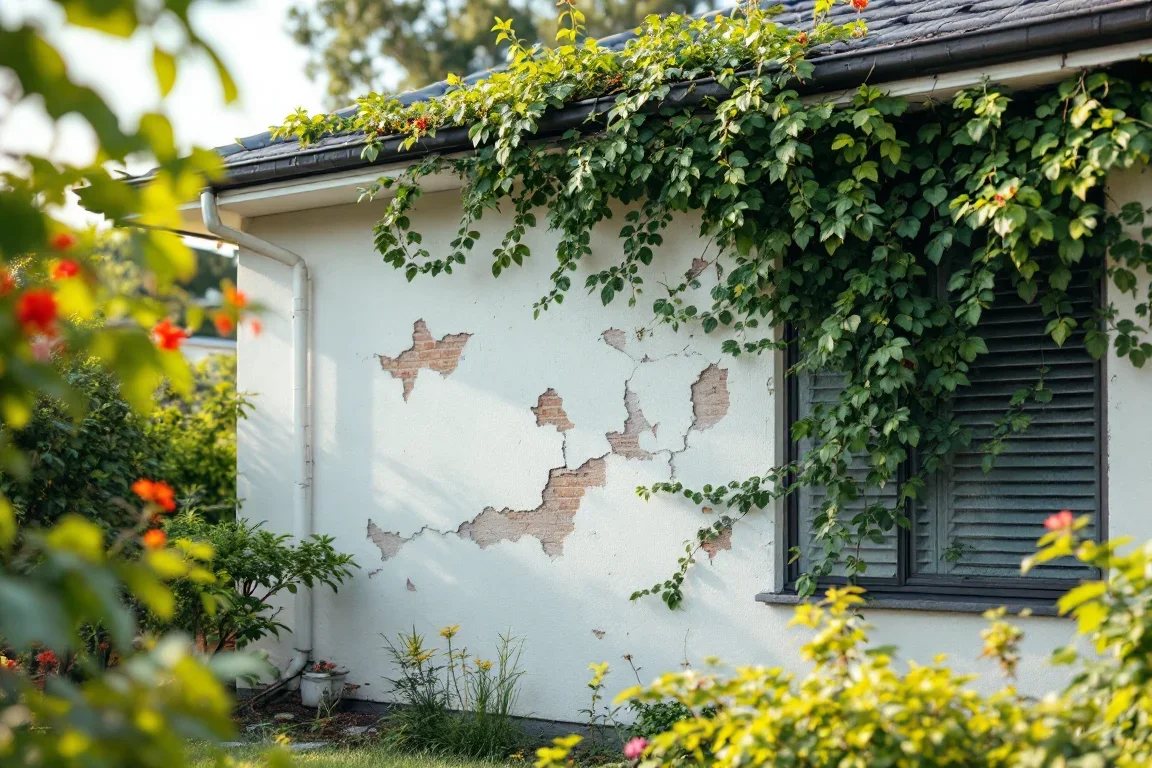
The Hidden Costs of Neglecting Property Maintenance
Property owners often view maintenance as an optional expense that can be delayed when budgets are tight. However, this perspective can lead to significantly higher costs down the track. What starts as a small leak, a patch of moss, or peeling paint can quickly escalate into major structural issues requiring extensive repairs.
Understanding the true cost of deferred maintenance helps property owners make informed decisions about their investment. While regular upkeep requires ongoing expenditure, the financial consequences of neglect far outweigh the cost of preventive care. Smart property owners recognise that maintenance is not an expense but an investment in their property’s future value and structural integrity.
Small Problems Become Major Expenses
A blocked gutter might seem like a minor inconvenience, but the consequences can be devastating. When gutters overflow, water finds alternative pathways, often seeping into foundations, walls, and roof cavities. This moisture creates ideal conditions for rot, mould, and structural damage that can cost tens of thousands of dollars to rectify.
Similarly, a small roof leak that costs a few hundred dollars to fix can quickly become a major renovation project. Water damage spreads rapidly through ceiling cavities, damaging insulation, electrical systems, and structural timbers. What could have been resolved with prompt roof repairs often escalates into complete ceiling replacements and extensive remedial work.
Moss growth on roofs presents another example of escalating costs. Left untreated, moss retains moisture against roofing materials, accelerating deterioration and lifting tiles or corrugate sheets. The building envelope becomes compromised, allowing water penetration that affects the entire structure.
The Compound Effect of Deterioration
Property deterioration rarely occurs in isolation. When one system fails, it often triggers problems throughout the building. For example, when exterior paint fails to protect timber cladding, moisture penetration begins. This moisture creates conditions for timber decay, which can spread to structural elements and require extensive reconstruction.
Waterblasting and repainting might cost a few thousand dollars when done proactively. However, once moisture damage occurs, the remedial work can include replacing damaged timber, treating affected areas for rot, and potentially rebuilding sections of the structure. These repairs often cost ten times more than preventive maintenance would have required.
Tree maintenance presents similar compound risks. Overgrown trees near buildings can damage roofing, guttering, and foundations. Dead branches pose safety hazards and insurance liabilities. Professional tree services and stump removal might seem expensive initially, but they prevent far costlier damage from falling branches or root systems affecting foundations.
Impact on Property Value and Marketability
Neglected properties suffer significant value depreciation that extends beyond repair costs. Buyers can easily identify poorly maintained properties and factor potential remedial work into their offers. A property requiring obvious maintenance work will sell for substantially less than a well-maintained equivalent.
Real estate professionals consistently report that properties showing signs of neglect sit on the market longer and attract lower offers. Buyers assume that visible problems indicate hidden issues throughout the property. Even when structural integrity remains sound, the perception of poor maintenance creates negative market sentiment.
Professional building inspections often reveal maintenance issues that can derail property sales. Issues that regular maintenance would have prevented become negotiation points, reducing final sale prices or requiring expensive pre-sale remedial work.

Insurance and Liability Considerations
Insurance policies typically exclude coverage for damage resulting from lack of maintenance. When a claim occurs, insurers investigate whether proper maintenance could have prevented the incident. Properties with documented maintenance issues may face claim rejection or policy cancellation.
Liability risks increase substantially with poor maintenance. Slip hazards from moss-covered surfaces, falling debris from unmaintained trees, or structural failures from neglected repairs can result in significant legal exposure. The cost of defending liability claims often exceeds the expense of preventive maintenance many times over.
Professional property maintenance creates documentation that demonstrates reasonable care. This documentation proves valuable when dealing with insurance claims or potential liability issues, providing evidence of responsible property management.
Health and Safety Implications
Maintenance neglect often creates health hazards for occupants and visitors. Mould growth from moisture problems causes respiratory issues and allergic reactions. Poor ventilation from blocked gutters and damaged roofing creates stagnant air conditions that affect indoor air quality.
Structural deterioration poses direct safety risks. Loose roofing materials, unstable trees, and compromised building elements can cause serious injuries. The medical costs, legal exposure, and emotional trauma associated with preventable accidents far exceed maintenance expenses.
Regular maintenance programmes address these risks systematically, ensuring that potential hazards are identified and resolved before they threaten occupant safety.
Energy Efficiency and Operating Costs
Poor maintenance significantly increases ongoing operating costs. Damaged roof coatings reduce thermal efficiency, increasing heating and cooling expenses. Blocked gutters and poor drainage create moisture problems that require additional ventilation and heating to manage.
Paint systems protect building materials and contribute to thermal performance. When paint fails, buildings lose energy efficiency and require more power to maintain comfortable internal temperatures. The increased energy costs compound over time, often exceeding the cost of regular house painting and roof painting maintenance.
Well-maintained properties operate more efficiently, reducing utility bills and creating more comfortable living environments. These operational savings contribute to the return on investment from regular maintenance programmes.
The Economics of Prevention
Financial analysis consistently demonstrates that preventive maintenance costs significantly less than reactive repairs. Regular maintenance spreads costs evenly over time, making them manageable within normal property budgets. Emergency repairs often require immediate large expenditures that strain finances and disrupt occupancy.
Professional maintenance services provide expertise that maximises the lifespan of building components. Skilled technicians identify potential problems early and address them cost-effectively. This professional approach prevents the trial-and-error expenses that often accompany DIY maintenance attempts.
Establishing maintenance schedules creates predictable annual costs that can be budgeted and planned. This predictability contrasts sharply with the unexpected major expenses that result from maintenance neglect.
The Hidden Costs of Neglecting Property Maintenance
Property maintenance represents sound financial management rather than unavoidable expense. The hidden costs of neglect—from compound deterioration and reduced property values to insurance issues and safety risks—far exceed the investment required for regular upkeep. Smart property owners understand that consistent maintenance protects their investment, ensures occupant safety, and maintains property values over the long term.
Related Articles
- When to Replace vs Repair Your Property’s Essential Systems
- Preventing Damp and Mould in Your Home
- Signs Your Property Needs Professional Attention
- How Weather Damage Affects Your Property Maintenance Costs
HCPM
Chase Baron is the owner and operator of Hibiscus Coast Property Maintenance. This local, family-owned business provides a wide range of property maintenance services to residential and commercial customers on the Hibiscus Coast, with over 10 years of industry experience. We offer a comprehensive range of services, including Painting, Roof Painting, Roof Repair, Gutter Cleaning, Stump Grinding and Tree Services.
ben_data says:
Yep, had a roof leak three years back that I kept putting off. Started small, just a damp patch in the corner. By the time I actually got someone out, the timber framing had rotted and it cost me twelve grand instead of the two grand it would’ve been at the start. The moss thing is real too. Gutters clogged with it, water backed up, damaged the fascia boards. Should’ve just cleared them out quarterly like you’re supposed to.
Luke M. says:
Nah, the moss thing’s overblown if you’ve got decent guttering in the first place, reckon most folk round here worry too much about quarterly clearing when annual’s plenty enough.